

My Fitness Journey
Where to begin? This entry is difficult because you'll leave with a few questions if I only begin by telling you how I got into fitness. So, I'll start with my beginning. I was born a healthy baby girl, destined to be as athletic as her father and two older brothers, prospectively, or so it appeared. Genetics got the best of me, however.
I was six years old when I first "twisted my knee." That's how I described dislocating my knee at that age. I recall having weekly or daily dislocations at times. I never knew when it was coming, I just knew it was, and because of that, I walked with my knees in constant flexion to some degree. Subconsciously, I was scared to completely extend my leg as I took a step because I was worried that full extension would cause another patellar dislocation. Each time I fell, my patella never stayed dislocated. By the time I'd fallen, it was back in place. Considering this, and my description of what had just happened, my parents probably did not believe me at first.
Childhood Knee Dislocations and Patellar Instability
Eventually, I experienced dislocations in both knees. Chronic patellar instability affected my mobility, confidence, and ability to participate in sports and physical activity. At eight years old, I finally saw a specialist at McMaster Children's Hospital, where my case was reviewed and passed along to Dr. Devin Peterson, my orthopedic surgeon.
Dr. Peterson is the surgeon and the artist who redesigned my limbs so I can now do what I love — train, strength train, be a personal trainer, and help others overcome physical challenges through structured exercise and corrective movement.
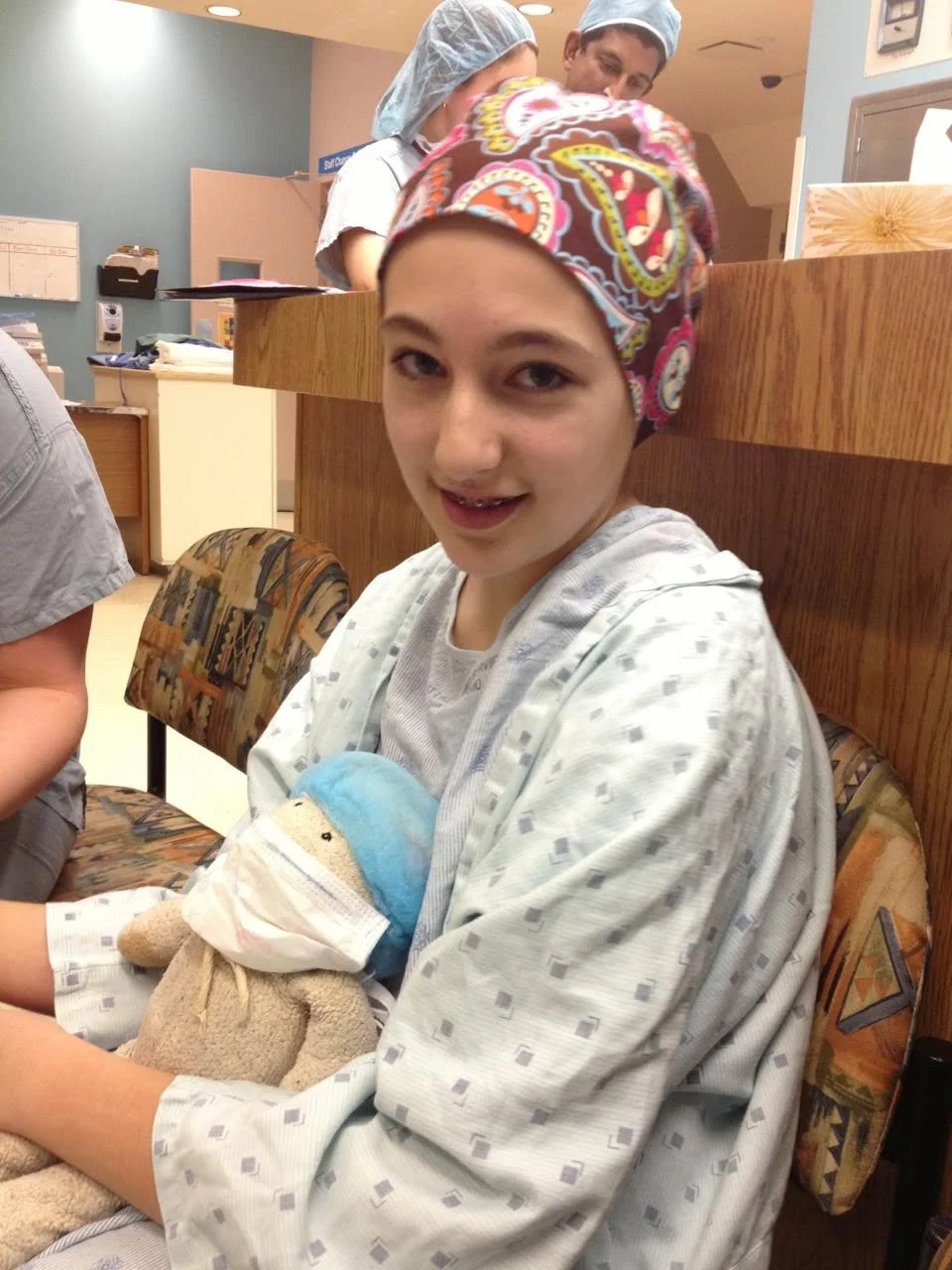
My First Knee Surgery at McMaster Children’s Hospital
2009
Under the care of Dr. Devin Peterson, my first knee surgery marked the beginning of a long journey through rehabilitation, recovery, and rebuilding strength.
Rehabilitation required patience, mobility work, stability training, and learning how to rebuild muscle support around the knee joint. Through structured recovery and gradual progressive overload, I developed a deep respect for the science behind strength training and injury prevention.
How Injury Shaped My Passion for Strength Training and Rehabilitation
Living with recurrent knee dislocations taught me the importance of muscle stability, joint alignment, and proper movement mechanics. I learned firsthand how strength training can improve knee stability, enhance muscular support, and reduce the likelihood of future injury.
Corrective exercise, mobility work, and progressive resistance training became more than workouts — they became tools for independence and resilience.
This experience shaped my approach as a personal trainer. I understand what it feels like to feel limited, uncertain, or defeated by your body. I also understand what structured strength training and rehabilitation can achieve when applied consistently.
The video that blew Dr. Peterson away: Training Video
Why This Experience Makes Me a Better Personal Trainer
Because of my journey through orthopedic surgery and recovery, I prioritize:
Safe movement mechanics
Progressive strength development
Injury prevention strategies
Muscle stability and joint support
Long-term resilience and functional strength
As a personal trainer, I integrate corrective exercise principles and evidence-based strength training methods to help clients overcome limitations and build confidence in their bodies.
If you feel defeated, I hope this inspires you to take control of what you can to improve your current situation. You are capable of achieving anything with hard work and consistency.
“Being challenged in life is inevitable. Being defeated is optional.”
From Patient to Personal Trainer
What began as chronic knee instability became the foundation of my fitness philosophy. My experience with injury recovery, rehabilitation, and strength rebuilding influences how I coach clients today.
Whether someone is recovering from injury, building muscle, improving mobility, or seeking long-term strength development, my background allows me to approach training with empathy, precision, and an understanding of biomechanics.
Follow me on Instagram for more workout content, meal ideas, and clients crushing it!